Gnome Font for Playful Branding and Creative Projects
Gnome in Action: A Logo Concept for a Children’s Toy Brand
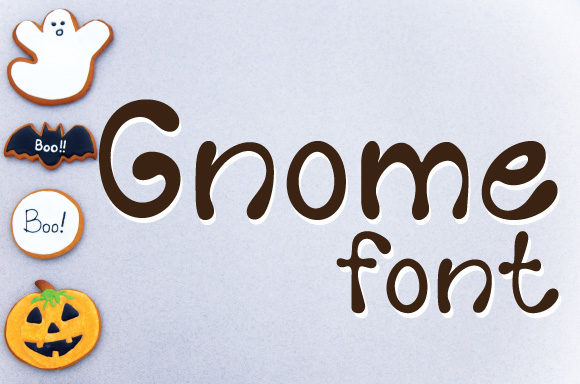
Opening a fresh brand board one morning, I was tasked with creating a visual identity for a new children's toy line. The brief called for something playful yet professional, and that’s when I first encountered Gnome. As a cute and round lettered display font, Gnome immediately stood out with its soft curves and friendly personality. It felt like the perfect match for a brand targeting young kids and their parents.
I tested Gnome on a logo concept—placing it against a bright, colorful background with illustrations of toys. The result was charming and approachable. The roundness of the letters gave the logo a warm, inviting feel, which is exactly what the brand needed. Compared to other display fonts I had used before, Gnome offered a more whimsical edge without sacrificing clarity.
Gnome for School Projects and Educational Materials
As I continued developing the brand identity, I realized Gnome wasn’t just great for logos—it also worked well for educational materials. I applied it to a mockup of a school activity booklet and noticed how the font's playfulness made the content feel more engaging for children. The rounded edges and open counters in each letter helped maintain readability even at smaller sizes, which was crucial for text-heavy sections like instructions and lesson plans.
When paired with a clean sans serif font for body text, Gnome created a balanced visual hierarchy. This combination allowed the headline to stand out while keeping the supporting text easy to read. For a project like this, where the audience ranges from young students to educators, the font’s versatility proved invaluable.
Gnome on Packaging Mockups and Social Media Graphics
Next, I moved on to packaging mockups. Using Gnome for product labels and box designs, I found that it added a touch of fun without being too childish. The font’s design naturally drew attention to key elements such as product names and promotional messages. On a handmade toy box, the font looked especially inviting, making it feel like a gift meant just for the recipient.
On social media, Gnome performed equally well. When used for Instagram posts and Facebook ads, it helped create a cohesive look across platforms. Whether it was a post about a new toy launch or an announcement for a school event, the font maintained a consistent tone that aligned with the brand’s playful identity. Its presence made the content feel more personal and relatable.
Limitations and Considerations When Using Gnome
While Gnome excels in many areas, it’s not suitable for every project. Due to its rounded and stylized nature, it may not be the best choice for long-form text or formal corporate use. Reading extended passages in Gnome could become tiring, especially at smaller sizes. That said, it shines when used as a display font for headlines, short phrases, or decorative accents.
For projects requiring high readability or minimalistic design, pairing Gnome with a complementary sans serif or serif font would help maintain balance. Testing it on different surfaces—like printed cards, digital banners, and web headers—can give you a clearer sense of how it performs in various contexts.
Practical Tips for Using Gnome in Real Design Work
If you're considering using Gnome in your next project, start by testing it on a few different mockups. Try placing it on a business card, website header, or packaging label to see how it interacts with other design elements. Always check the font licensing to ensure it meets your needs for commercial use, especially if you’re working on client projects or selling products online.
Also, consider how Gnome fits into your overall typography system. While it’s a display font, knowing when to use it and when to step back with a more neutral typeface can make all the difference in achieving a polished and professional look. Whether you're designing for a creative studio, a small business, or a personal project, Gnome brings a unique charm that can elevate your work.